
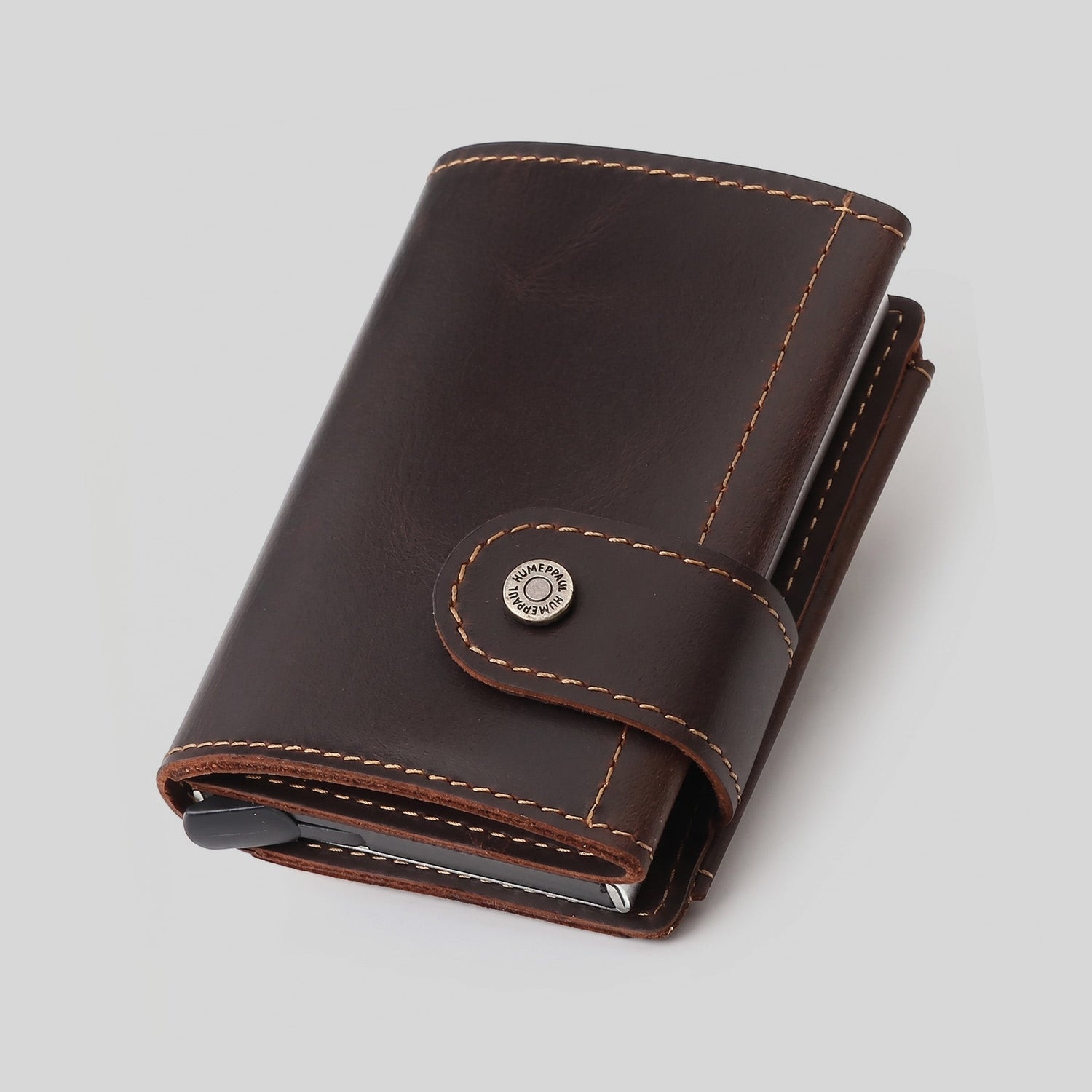
Contactless payment cards are designed for convenience.
They allow you to pay quickly by tapping your card at checkout, which is now common in cafés, shops, and public transport across Australia.
But because this technology uses short-range wireless communication, some people wonder what could happen if a card is accessed without their knowledge.
Understanding the Scenario
In theory, RFID-enabled cards can communicate wirelessly when they are close to a compatible reader.
This has led to concerns about whether card information could be accessed in crowded public spaces.
While this is technically possible under specific conditions, modern payment systems include multiple security layers that limit how useful any intercepted data would be.
What Would Actually Be Required
For any unauthorised reading to occur, several conditions would need to be met:
-
The scanner would need to be very close to the card
-
The environment would need to allow uninterrupted scanning
-
The card data would need to be usable in a fraudulent way
-
Additional security checks would still need to be bypassed
In practice, this makes real-world misuse more complex than it may appear in theory.
How Financial Protection Works
Most banks in Australia have fraud detection systems that monitor unusual activity.
If a suspicious transaction occurs, it is often flagged and investigated.
Depending on the situation, customers may be refunded, although the process can vary depending on the circumstances.
This is why most financial institutions encourage users to report unusual activity as soon as possible.
Why RFID Protection Still Exists
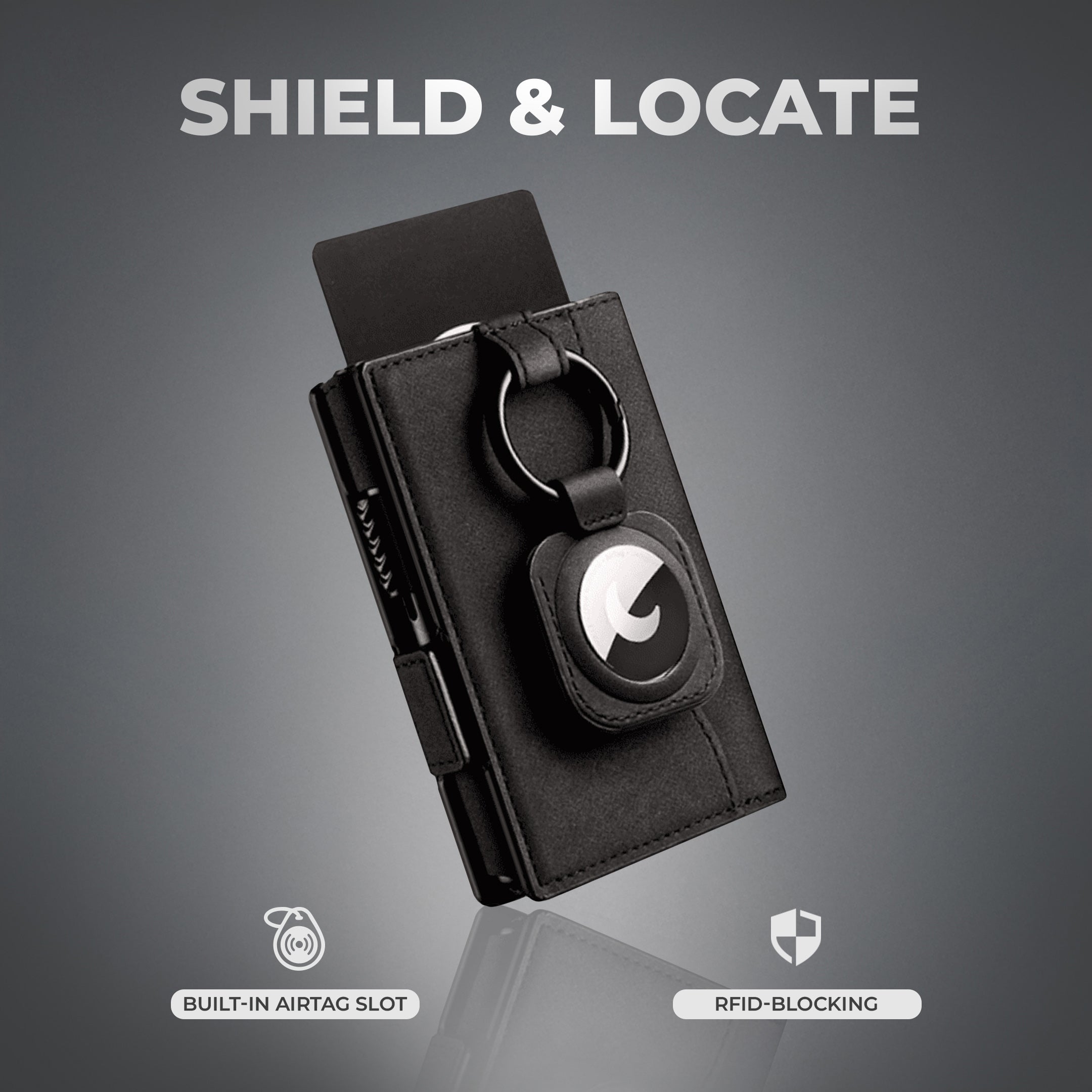
Even with existing security systems, some people prefer to add an extra layer of protection through RFID-blocking materials.
These materials are designed to reduce wireless communication between cards and external devices when stored inside a wallet.
For many users, this is less about responding to a specific threat and more about adding reassurance when carrying multiple contactless cards.
A More Practical Way to Look at It
Rather than thinking in terms of isolated worst-case scenarios, it can be more useful to consider everyday habits:
-
Where you store your wallet
-
How often you use contactless payments
-
Whether you travel through crowded areas regularly
-
How comfortable you are with digital payment systems
These factors often matter more in daily life than rare edge cases.
Final Thoughts
The idea of someone accessing your card information in public can sound concerning, but the reality is shaped by multiple layers of modern payment security and banking protections.
For some people, RFID-blocking wallets provide added peace of mind. For others, existing banking safeguards are sufficient.
The right choice depends on how you prefer to manage everyday carry and personal security.




Leave a comment
All comments are moderated before being published.
This site is protected by hCaptcha and the hCaptcha Privacy Policy and Terms of Service apply.