
Realising your wallet is missing can be stressful.
Whether it was left behind at a café, misplaced during travel, or simply dropped somewhere along the way, the first few minutes often determine how quickly it can be recovered.
The good news is that a calm and systematic approach usually works better than panic.
Step 1: Check the Places You Recently Visited
Before cancelling cards or assuming the worst, think about where you last used your wallet.
Common locations include:
- Cafés and restaurants
- Petrol stations
- Supermarkets
- Public transport
- Hotel reception desks
- Workplaces
If possible, contact these locations directly and ask whether a wallet has been handed in.
Many lost wallets are recovered within a short period because they were simply left behind.
Step 2: Retrace Your Recent Movements
Try to reconstruct your movements from the last few hours.
Check:
- Jacket pockets
- Bags and backpacks
- Vehicle compartments
- Desk drawers
- Areas around recent purchases
It is surprisingly common for wallets to be misplaced rather than stolen.
Taking a few minutes to systematically check your surroundings can save a great deal of unnecessary stress.
Step 3: Use a Tracking Device if Available
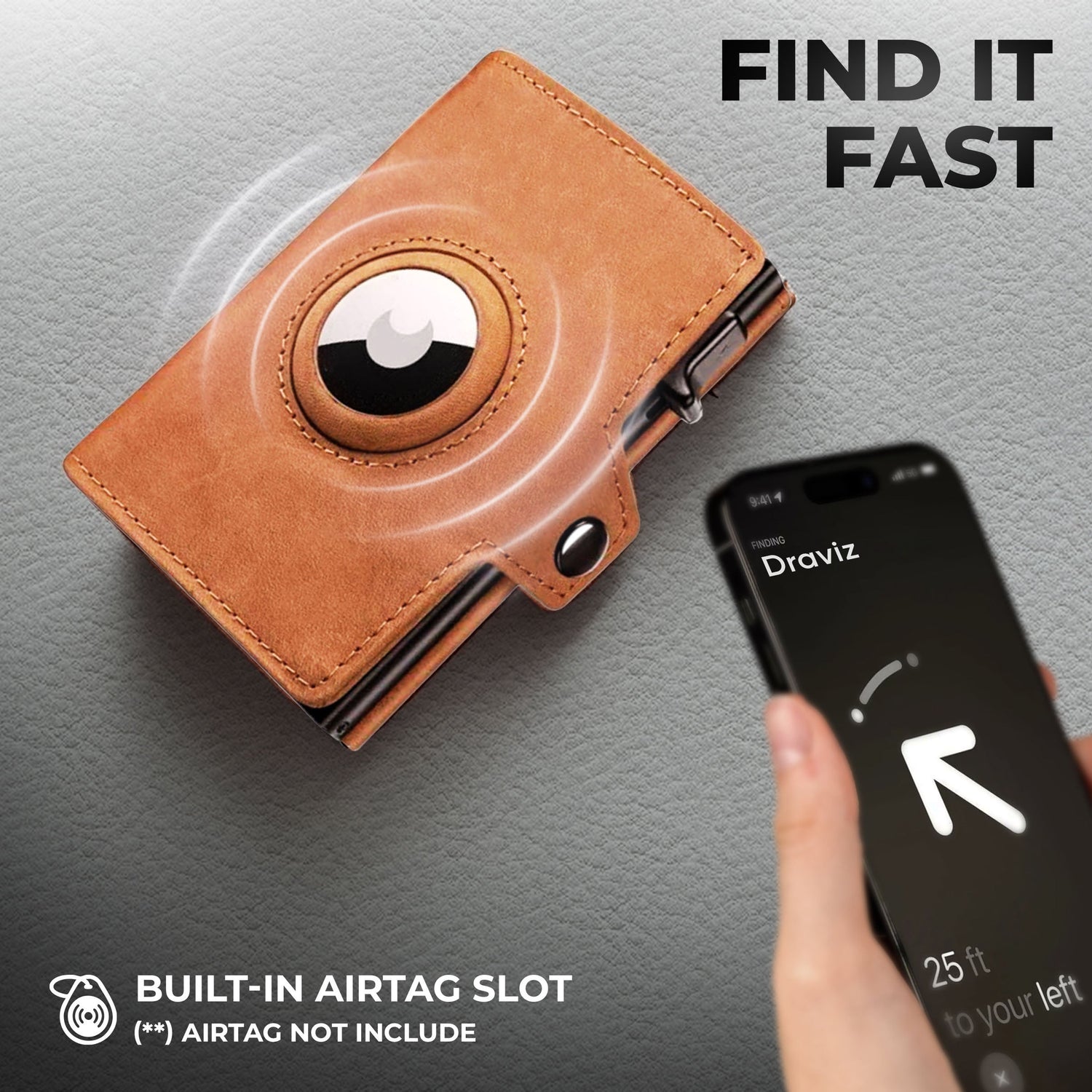
If your wallet is paired with a tracking device such as an AirTag, open Apple's Find My app and check its last reported location.
Depending on the situation, you may be able to:
- View the wallet's location on a map
- Play a sound when nearby
- Use Precision Finding on supported devices
- See the last known location before it became disconnected
For people who travel frequently or regularly move between different locations throughout the day, a tracking device can make recovery significantly easier.
Step 4: Protect Your Cards
If you are unable to locate your wallet after a reasonable search, contact your bank and card providers.
Consider:
- Temporarily locking cards through your banking app
- Reporting lost or stolen cards
- Monitoring recent transactions
- Updating digital payment methods if required
Most financial institutions provide tools that allow cards to be locked immediately while you continue searching.
Step 5: Replace Important Documents if Necessary
If the wallet cannot be recovered, you may need to replace:
- Driver's licence
- Identity cards
- Membership cards
- Access cards
- Other important documents
Making a list of everything that was stored inside the wallet can help simplify the replacement process.
Why Some People Choose AirTag-Compatible Wallets
While no wallet can prevent loss entirely, some designs include dedicated AirTag storage to make tracking easier.
For people who frequently travel, commute, or carry important cards, this can provide an additional layer of convenience.
The goal is not to replace good habits, but to make recovery easier if a wallet is misplaced.
Choosing a Practical Everyday Wallet
When selecting a wallet, tracking compatibility is only one consideration.
Other useful features may include:
- Slim everyday carry design
- RFID-blocking materials
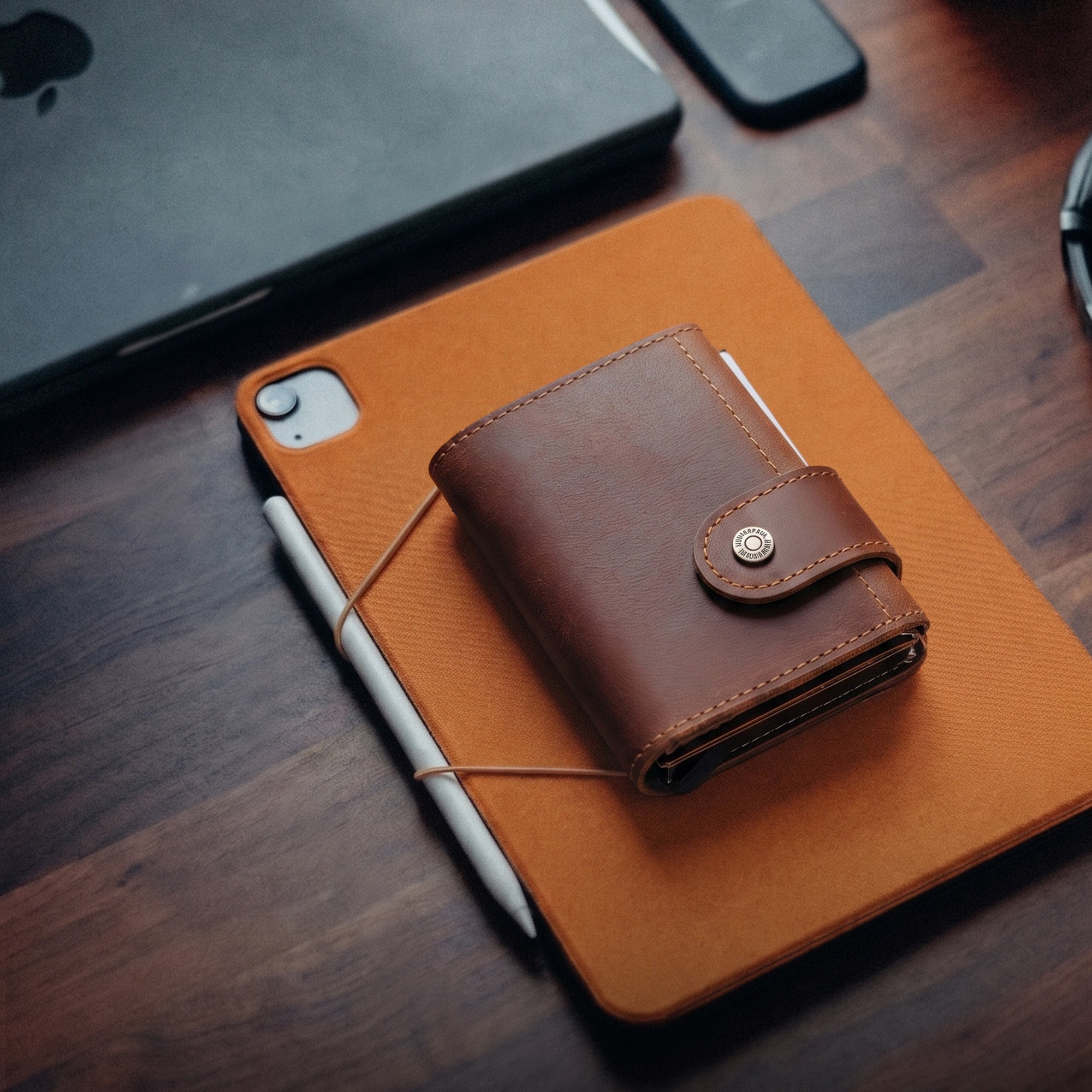
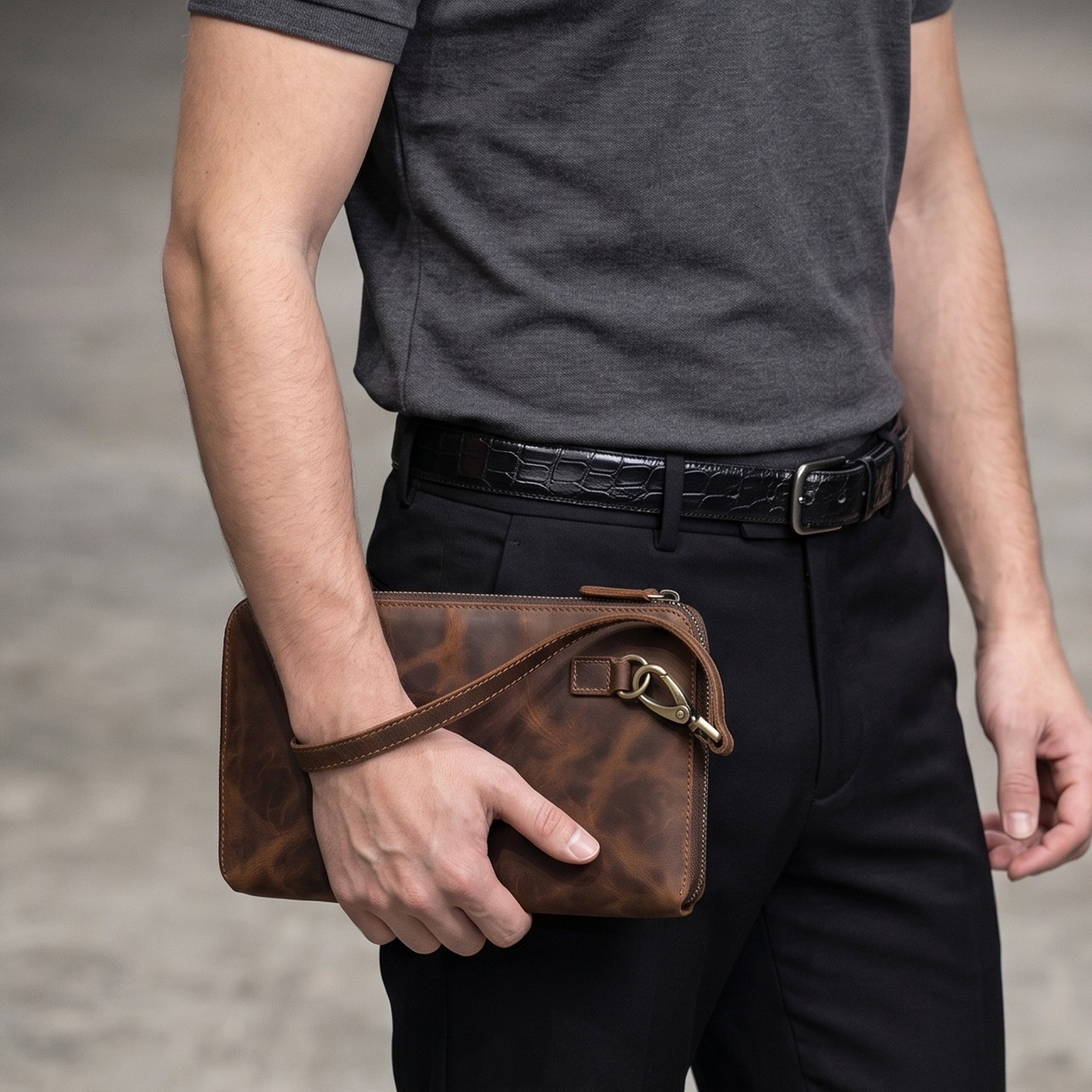
- Durable leather construction
- Easy card organisation
- Secure card storage
The right wallet should fit comfortably into daily routines while helping keep essential items organised.
Final Thoughts
Losing a wallet can be inconvenient, but it does not have to become a major problem.
A clear recovery plan, secure card management, and practical everyday carry habits can significantly reduce stress if it happens.
For those who prefer an extra layer of reassurance, AirTag-compatible wallets offer a simple way to keep track of an item that most people carry every day.




Leave a comment
All comments are moderated before being published.
This site is protected by hCaptcha and the hCaptcha Privacy Policy and Terms of Service apply.