
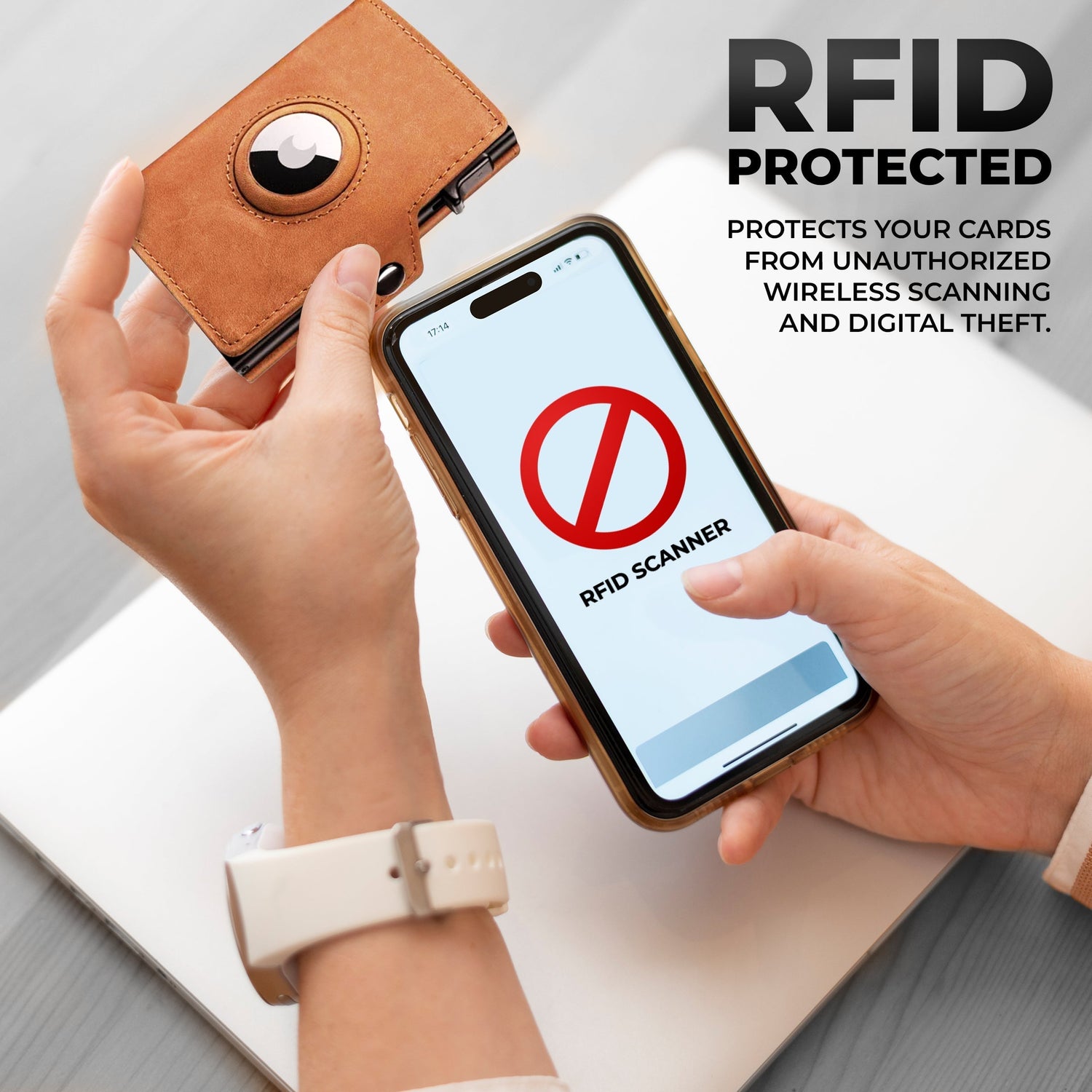
The idea sounds surprising at first.
Someone standing nearby is able to read information from a payment card without ever taking it out of your wallet.
Is that actually possible?
The short answer is yes — under certain conditions.
However, the reality is often more nuanced than many headlines and advertisements suggest.
What Is RFID Technology?
Many modern payment cards use RFID (Radio Frequency Identification) or similar contactless technology.
This allows cards to communicate wirelessly with payment terminals for tap-and-go transactions.
The convenience is obvious. Instead of inserting a card, users can simply tap and pay.
Because the technology relies on short-range wireless communication, questions about security naturally follow.
What Is RFID Skimming?
RFID skimming refers to the unauthorised reading of information stored on a contactless card using a compatible scanning device.
In theory, if a scanner is brought close enough to a card, some card data may be read without physically removing the card from a wallet.
This possibility is the reason RFID-blocking products became popular.
How Common Is RFID Skimming?
This is where the discussion becomes more complicated.
RFID skimming is technically possible, but there is ongoing debate about how frequently it occurs in real-world situations.
Modern payment systems include multiple security measures, and most contactless transactions do not expose enough information to allow direct card cloning.
At the same time, many people prefer additional protection simply because contactless cards are designed to communicate wirelessly.
For that reason, RFID-blocking wallets remain a popular option for everyday carry.
What Does RFID Blocking Do?
RFID-blocking materials are designed to reduce or prevent wireless signals from reaching the cards stored inside the wallet.
When the wallet is closed, these materials create a barrier that helps limit communication between the card and external scanning devices.
The purpose is straightforward:
To add an extra layer of protection without changing the way the wallet is used.
Should You Choose an RFID-Blocking Wallet?
For many people, the answer comes down to preference.
An RFID-blocking wallet may be worth considering if you:
-
Carry multiple contactless payment cards
-
Travel frequently
-
Use public transport regularly
-
Prefer additional protection for everyday carry
Even if the risk is relatively low, some people appreciate the reassurance that RFID-blocking materials can provide.
Security Habits Still Matter
Regardless of whether you use RFID protection, good security habits remain important.
These include:
-
Monitoring account activity regularly
-
Enabling transaction notifications
-
Reporting suspicious activity promptly
-
Keeping cards secure when travelling
A wallet is only one part of protecting personal information.
Good habits remain equally important.
Final Thoughts
Can someone scan a contactless card without touching your wallet?
Technically, yes.
However, the question is not simply whether it is possible, but whether you prefer an additional layer of protection against that possibility.
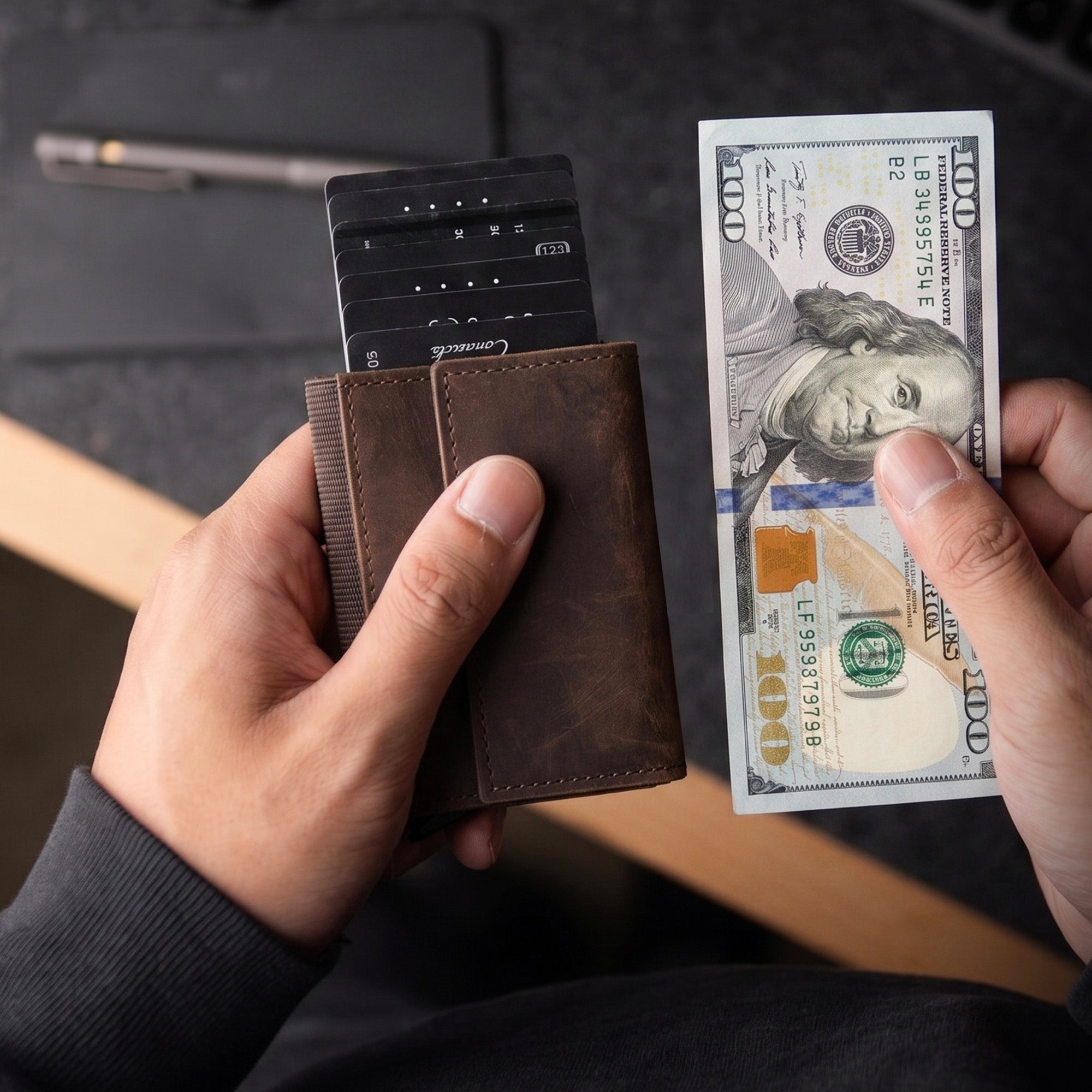
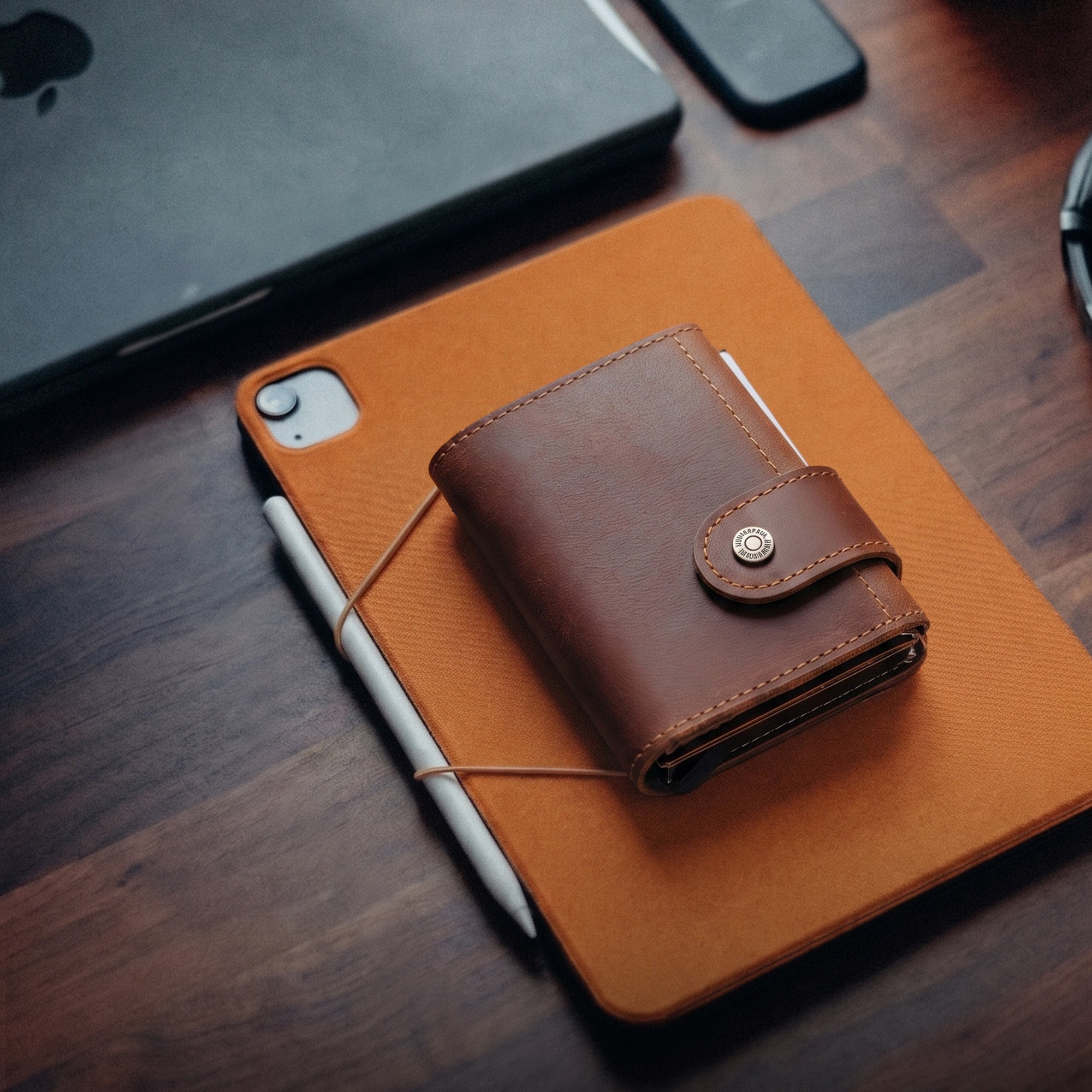
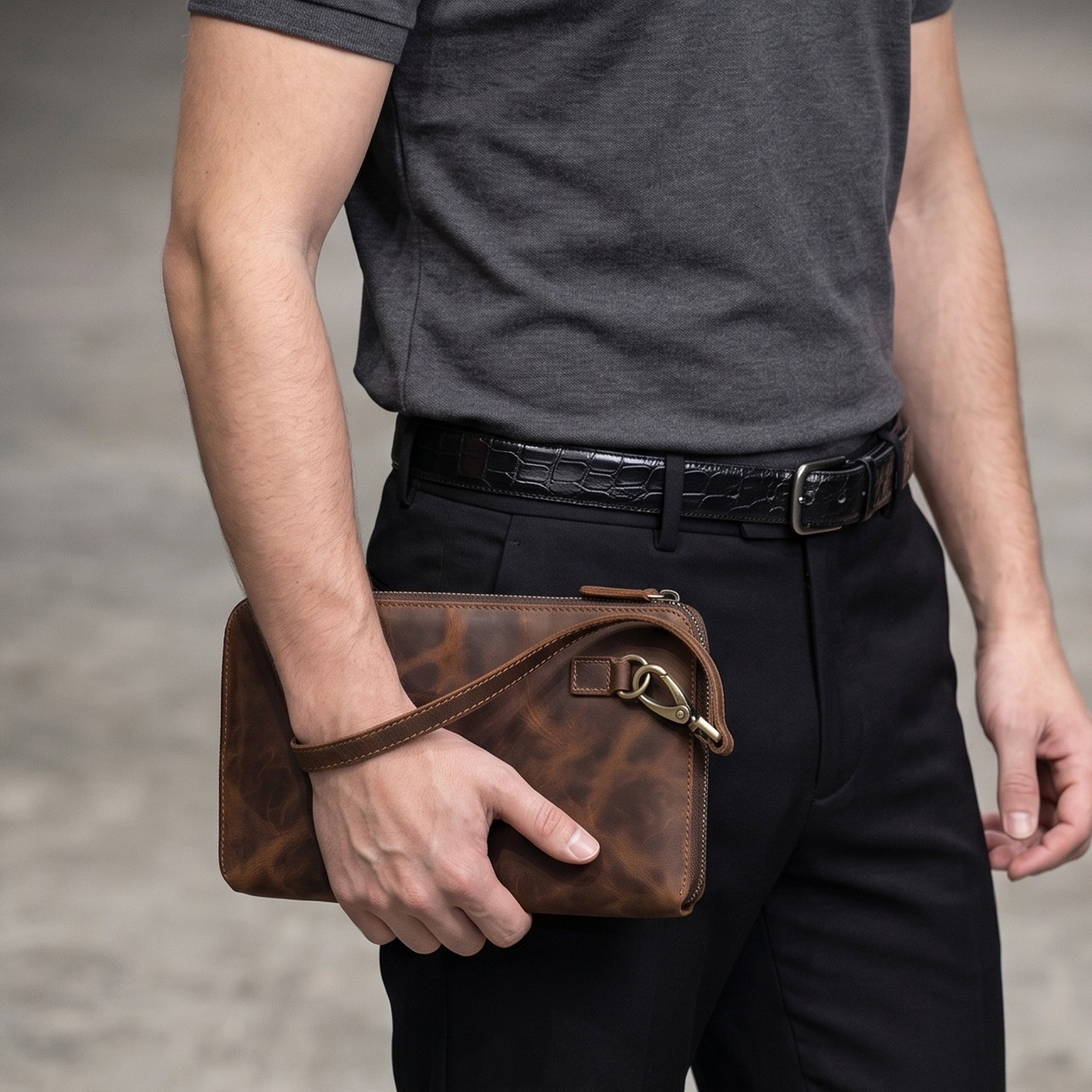
For many people, RFID-blocking wallets offer a simple and practical way to add that protection while keeping everyday essentials organised and easy to carry.



Leave a comment
All comments are moderated before being published.
This site is protected by hCaptcha and the hCaptcha Privacy Policy and Terms of Service apply.